Best Places to Visit in Addis Ababa, Ethiopia: A Complete Travel Guide


Addis Ababa, the capital of Ethiopia, is a fascinating destination filled with history, culture, traditional food, lively markets and beautiful mountain views. Whether you are visiting Ethiopia for the first time, traveling with family, coming for business or enjoying a short stopover, the city offers many memorable experiences.
Located in the Ethiopian Highlands, Addis Ababa is an important center of Ethiopian politics, culture and diplomacy. It is home to remarkable museums, historic churches, traditional coffee ceremonies and busy neighborhoods where visitors can experience everyday Ethiopian life.
If you are wondering about the best places to visit in Addis Ababa, this guide will help you discover the city’s major attractions, plan your sightseeing and make the most of your time.
1. National Museum of Ethiopia

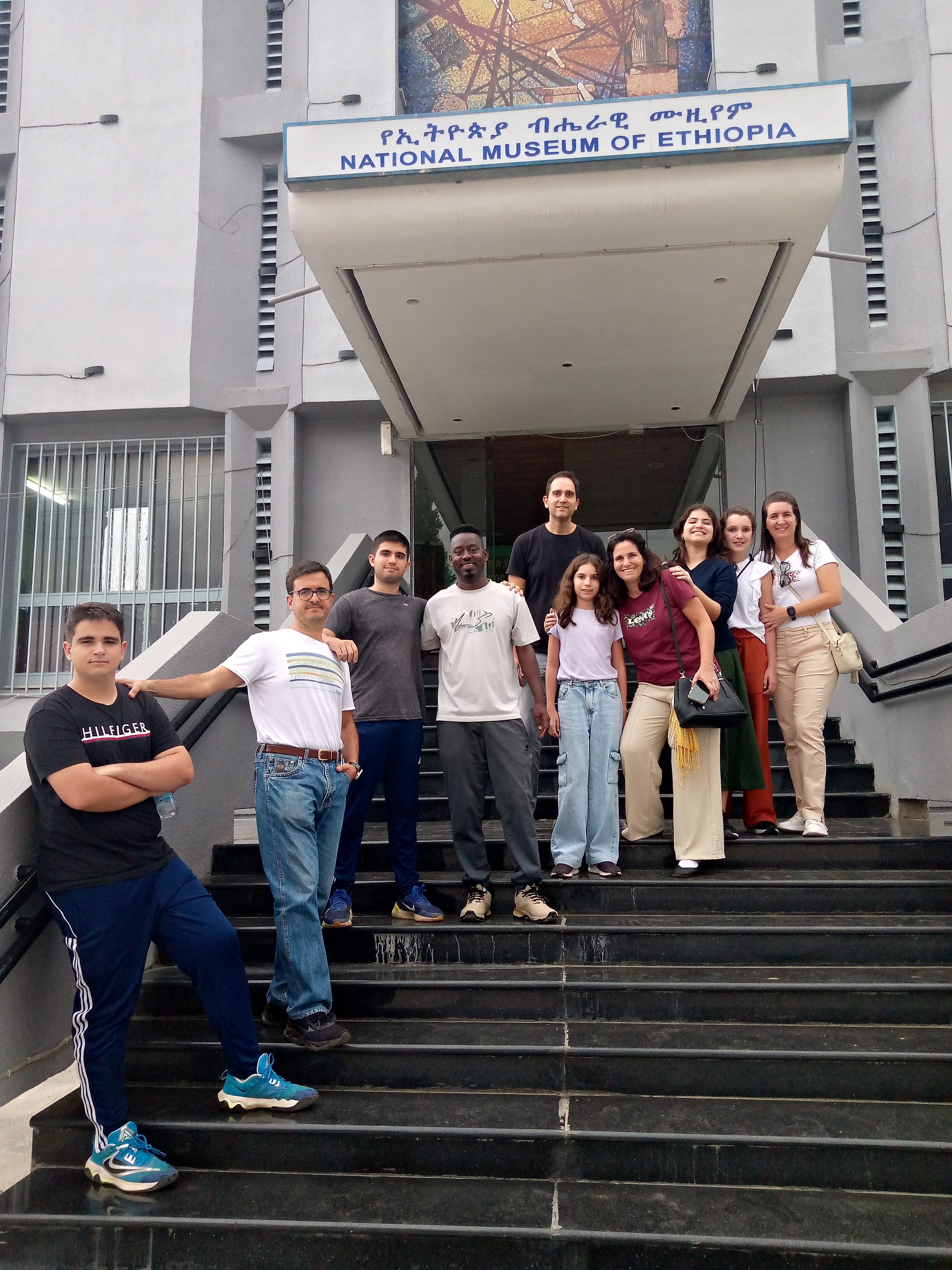
The National Museum of Ethiopia is one of the most important cultural attractions in Addis Ababa. It is an excellent starting point for understanding the country’s remarkable history and archaeological heritage.
The museum is internationally known for Lucy, the famous early human ancestor discovered in the Afar region in 1974. Its collections also include archaeological discoveries, historical objects, traditional art and exhibits related to Ethiopian culture.
Visitors interested in anthropology, human origins and ancient history can learn a great deal here.
Why visit?
- Discover Ethiopia’s contribution to the study of human evolution.
- Explore archaeological and historical collections.
- Learn about the country’s cultural heritage.
- Add an educational experience to your Addis Ababa itinerary.
Travel tip: Allow enough time to explore the exhibits and check the museum’s current opening hours before visiting.
2. Mount Entoto

Mount Entoto is one of the best places to visit near Addis Ababa if you enjoy nature, scenic views and fresh highland air.
Located above the city, Entoto offers beautiful views across Addis Ababa when weather conditions are clear. The surrounding area features forested landscapes, eucalyptus trees and winding roads that provide a welcome change from the busy city center.
Entoto also has historical significance. Emperor Menelik II established an important base in the area before Addis Ababa developed into the country’s capital.
Visitors can combine scenic stops with cultural sightseeing, depending on the available time.
Best experiences:
- Enjoy panoramic views of Addis Ababa.
- Take landscape and cityscape photographs.
- Explore the surrounding highland scenery.
- Learn about the early history of the Ethiopian capital.
Travel tip: Temperatures can be cooler at higher elevations, so bring a light jacket. Morning visits can offer good opportunities for sightseeing and photography.
3. Holy Trinity Cathedral

Holy Trinity Cathedral is one of Addis Ababa’s most significant religious and historical landmarks. It is associated with Ethiopia’s modern history and is an important place of worship for the Ethiopian Orthodox Tewahedo Church.
The cathedral is known for its distinctive architecture, religious artwork and historical memorials. The grounds also contain notable tombs connected to prominent figures in Ethiopian history.
For visitors interested in Ethiopian Christianity, architecture and national heritage, the cathedral offers an opportunity to learn about traditions that have shaped the country for centuries.
What to see:
- The cathedral’s architectural details.
- Religious paintings and interior decorations, where accessible.
- Historical memorials and tombs.
- The site’s religious and cultural significance.
Travel tip: Dress modestly, behave respectfully and ask permission before photographing people or religious activities. Access to certain areas may be restricted during services.
4. Merkato, One of Addis Ababa’s Best-Known Markets

Merkato is one of the most famous commercial areas in Addis Ababa. It offers a lively introduction to the city’s trading culture, with busy streets, shops, stalls and a wide variety of goods.
Depending on the area you explore, you may find spices, coffee, textiles, household products, traditional merchandise and everyday items used by local residents.
For travelers who want to experience Addis Ababa beyond its major monuments, a visit to Merkato provides an opportunity to observe daily life and discover the energy of the city.
Why visit Merkato?
- Experience the atmosphere of a major local market.
- Discover Ethiopian spices, coffee and traditional products.
- Take photographs of market scenes with permission.
- Observe local trading customs and everyday activities.
Travel tip: Merkato can be crowded and confusing for first-time visitors. Keep your belongings secure, agree on prices before purchasing and ask before photographing people.
5. Red Terror Martyrs Memorial Museum

The Red Terror Martyrs Memorial Museum is an important historical site dedicated to remembering victims of the political violence known as the Red Terror during the Derg period.
The museum presents historical accounts, photographs, personal belongings and other materials documenting a painful chapter in Ethiopia’s modern history.
A visit can help travelers understand the experiences of Ethiopians during this period and the importance of remembrance.
This attraction is particularly meaningful for visitors interested in modern Ethiopian history, politics and human rights.
Travel tip: Some exhibits contain disturbing historical material. Allow time to reflect on the displays and approach the visit with sensitivity.
6. Ethnological Museum
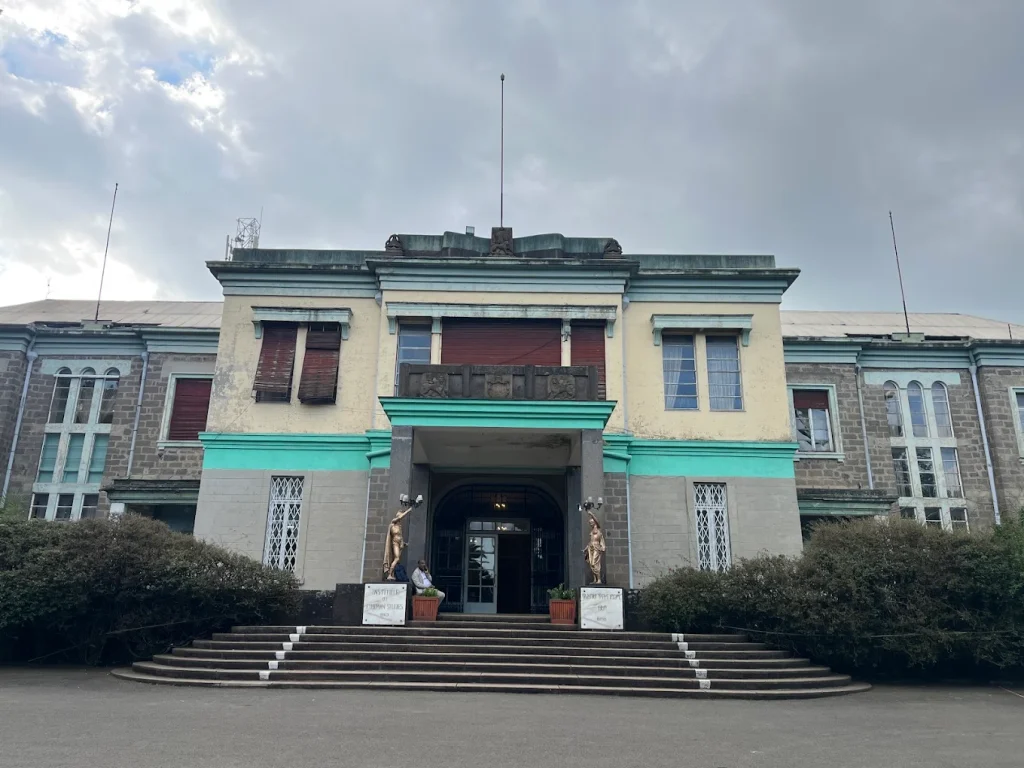
The Ethnological Museum, located within Addis Ababa University’s historic palace complex, is a valuable place to learn about Ethiopia’s cultural diversity.
Ethiopia is home to many ethnic communities, languages, traditions and belief systems. The museum explores aspects of everyday life, traditional practices, music, art and cultural heritage.
Its setting also provides a connection to Ethiopia’s royal history.
Highlights include:
- Exhibitions about Ethiopian cultures and traditions.
- Displays of traditional objects and cultural practices.
- Insights into the country’s diverse communities.
- A historic setting with gardens and university surroundings.
Travel tip: Check current access arrangements and photography policies before your visit.
7. St. George’s Cathedral

St. George’s Cathedral is another important religious landmark in Addis Ababa. Its distinctive architectural design and historical associations make it an interesting stop for visitors exploring the city’s cultural heritage.
The cathedral is associated with Ethiopia’s victory at the Battle of Adwa and is dedicated to Saint George, a revered figure in Ethiopian Orthodox Christianity.
Visitors can learn about the cathedral’s role in religious life and its place in Ethiopia’s national history.
What makes it special?
- Distinctive church architecture.
- Religious paintings and artistic details.
- Connections to Ethiopian historical identity.
- An opportunity to learn about Orthodox Christian traditions.
Travel tip: Check visiting hours and respect worshippers, religious ceremonies and restrictions on photography.
8. Unity Park

Unity Park is a cultural and historical attraction located within the National Palace grounds in Addis Ababa. It offers visitors a chance to explore parts of Ethiopia’s heritage in a carefully maintained setting.
Depending on the areas open to visitors, the park features historic buildings, gardens, cultural exhibitions and displays connected to Ethiopia’s history and diverse traditions.
It can be a good addition to a sightseeing itinerary for travelers who want to combine history, architecture and outdoor exploration.
Reasons to visit:
- Explore historic palace grounds.
- Discover cultural and heritage exhibitions.
- Enjoy landscaped gardens.
- Learn more about Ethiopia’s national history.
Travel tip: Entry arrangements, ticket requirements, security procedures and opening hours can change. Confirm the latest visitor information before planning your visit.
9. Meskel Square

Meskel Square is one of the city’s most recognizable public spaces. It is a major urban gathering place used for public events, celebrations and religious occasions.
The square is particularly associated with the Ethiopian Orthodox celebration of Meskel, which commemorates the finding of the True Cross. During the annual celebration, the area hosts a large gathering and the traditional Demera bonfire ceremony.
Outside major events, Meskel Square provides a view of Addis Ababa’s urban character and modern development.
Why stop here?
- Learn about an important Ethiopian religious celebration.
- Observe the city’s busy central area.
- Photograph the surrounding urban landscape where safe and permitted.
- Understand how public spaces contribute to city life.
Travel tip: Traffic can be heavy around the square. Use designated pedestrian crossings and avoid standing in traffic areas for photographs.
10. Bole Medhane Alem Church and the Bole Area
The Bole area is a popular part of Addis Ababa for international visitors, with hotels, restaurants, cafés and shops. It is also home to Medhane Alem Church, a prominent Ethiopian Orthodox church.
A visit to this area can combine religious architecture with an opportunity to experience a more contemporary side of the capital.
Travelers staying near Bole may find it convenient to explore nearby cafés and restaurants after sightseeing.
Things to experience:
- Admire the church’s architecture from appropriate visitor areas.
- Explore local cafés and restaurants.
- Sample Ethiopian food and coffee.
- Observe the contrast between traditional culture and modern city life.
Travel tip: Religious sites have their own visitor customs and schedules. Confirm access before visiting.
11. Experience a Traditional Ethiopian Coffee Ceremony

No visit to Addis Ababa is complete without learning about Ethiopian coffee culture.
Ethiopia is widely recognized as the historic home of Arabica coffee, and coffee has a central place in the country’s hospitality and social traditions. A traditional coffee ceremony is much more than drinking a cup of coffee. It is an opportunity for people to gather, talk and welcome guests.
The ceremony may include roasting green coffee beans, grinding them, brewing coffee in a traditional clay pot called a jebena and serving the drink in small cups.
Depending on the setting, popcorn or other snacks may accompany the coffee.
Why experience it?
- Learn about Ethiopian coffee traditions.
- Enjoy freshly prepared local coffee.
- Experience a meaningful part of Ethiopian hospitality.
- Take photographs of the ceremony with permission.
You can look for a traditional coffee experience during a city tour or visit a suitable local café.
12. Try Traditional Ethiopian Food

Food is an important part of exploring Addis Ababa. The city offers opportunities to discover Ethiopian dishes, regional cooking styles and the social traditions surrounding shared meals.
One of the country’s best-known foods is injera, a soft, fermented flatbread traditionally made from teff. It is commonly served with different stews and vegetable dishes.
Popular dishes and foods to try include:
- Doro wat: A richly seasoned chicken stew, often served with eggs.
- Shiro: A stew made from ground chickpeas or other legumes.
- Misir wat: A spicy lentil stew.
- Tibs: Sautéed or grilled meat prepared in different styles.
- Vegetarian fasting dishes: A selection of plant-based stews and vegetables.
Ethiopian meals are often served on a shared platter, creating a social dining experience.
Travel tip: If you have dietary restrictions, allergies or prefer mild food, tell the restaurant before ordering. Vegetarian and vegan options are available at many Ethiopian restaurants, but ingredients should be confirmed.
13. Addis Ababa’s Art Galleries and Cultural Spaces

Addis Ababa has an evolving arts and cultural scene, with galleries, craft shops and spaces showcasing Ethiopian artists and creative traditions.
Visitors may discover paintings inspired by Ethiopian history, religious imagery, landscapes, daily life and contemporary social themes.
Depending on current exhibitions, art spaces can offer a quieter alternative to busy markets and major tourist attractions.
What to look for:
- Contemporary Ethiopian paintings.
- Traditional and modern artistic styles.
- Handmade crafts and locally produced souvenirs.
- Opportunities to learn about Ethiopian artists and their work.
Gallery exhibitions and opening hours vary, so check availability before making a specific stop part of your itinerary.
14. Enjoy Addis Ababa’s Local Cafés and Restaurants

Addis Ababa has a varied café and restaurant culture, ranging from traditional Ethiopian coffee houses to modern cafés and restaurants serving international food.
Exploring these places is a good way to take a break between sightseeing stops and observe local life.
Depending on your preferences, you can enjoy traditional coffee, fresh juices, Ethiopian meals or a relaxed afternoon in a café.
For visitors interested in food and culture, including a restaurant or coffee stop in the itinerary can make the day feel less rushed.
15. Take in the Views and Green Spaces Around Addis Ababa

Although Addis Ababa is a busy capital, its elevated location offers access to scenic viewpoints and green surroundings.
Areas around Entoto are particularly suitable for travelers who want to combine urban sightseeing with highland landscapes. Some locations provide opportunities for walking, photography and enjoying cooler air away from the busiest streets.
The best places for scenic stops depend on weather, road conditions and how much time you have available.
Travel tip: Bring comfortable shoes, drinking water and a light jacket if you plan to spend time at higher elevations.
Suggested One-Day Addis Ababa Sightseeing Itinerary
If you have one full day in the capital, you can combine several major attractions without trying to visit everything.


| Time | Suggested activity |
|---|---|
| 8:30 AM | Begin with hotel pickup and a short introduction to Addis Ababa. |
| 9:00 AM | Visit the National Museum of Ethiopia. |
| 10:30 AM | Explore Holy Trinity Cathedral, subject to visiting hours. |
| 12:00 PM | Enjoy a traditional Ethiopian lunch. |
| 1:00 PM | Explore Merkato or another local market area. |
| 2:30 PM | Visit a selected historical or cultural attraction. |
| 3:30 PM | Travel toward Mount Entoto for scenic views, if conditions and time permit. |
| 5:00 PM | Return to your hotel or agreed drop-off location. |
This is a sample itinerary rather than a fixed schedule. Actual timings will depend on traffic, attraction opening hours and the amount of time spent at each stop. If you prefer a more relaxed day, choose fewer attractions.
Best Time to Visit Addis Ababa
Addis Ababa can be visited throughout the year, but the experience varies with the seasons.
October to January: The period following the main rainy season often offers good opportunities for sightseeing, although weather conditions can vary.
February to May: These months can be suitable for exploring museums, markets, historic sites and city viewpoints. Shorter rainy periods may occur.
June to September: This is generally the main rainy season. Outdoor activities may require more flexibility, and showers can affect travel times.
Because Addis Ababa is at a high elevation, temperatures are often milder than in Ethiopia’s lowland regions. Mornings and evenings can feel cool, so carrying a light jacket is useful.
The best time for your visit also depends on local events, religious celebrations and your personal interests.
How Many Days Do You Need in Addis Ababa?
The amount of time you need depends on your interests and travel schedule.
- Half a day: Focus on two or three selected attractions, depending on distance and opening hours.
- One full day: Visit a combination of museums, historical landmarks, local markets and a scenic viewpoint.
- Two days: Explore the main attractions at a more relaxed pace and add more food, coffee or cultural experiences.
- Three days or more: Spend additional time exploring museums, local neighborhoods, cultural activities and places around the city.
If you are visiting Ethiopia for a longer holiday, Addis Ababa can also serve as the starting point for exploring other destinations in the country.
Practical Travel Tips for Visiting Addis Ababa
Before exploring the city, keep these practical points in mind.
1. Plan your route carefully. Traffic can be unpredictable, especially during busy periods. Group nearby attractions together when possible.
2. Carry some Ethiopian birr. Cash may be useful for small purchases, local markets and certain services. Payment options vary by business.
3. Dress comfortably and respectfully. Wear suitable walking shoes and dress modestly when visiting religious sites.
4. Ask before taking photographs. Always seek permission before photographing people, religious ceremonies or private property. Some sites have specific photography restrictions.
5. Check opening hours. Museums, churches and cultural attractions may have different schedules, holidays or temporary restrictions.
6. Allow time for meals and breaks. Ethiopian food and coffee are important parts of the local experience. Avoid packing the day too tightly.
7. Consider your transportation needs. Private transportation can help you move between attractions without having to arrange a separate ride at each stop.
8. Keep personal belongings secure. As in any large city, remain aware of your surroundings, particularly in crowded areas.
Explore Addis Ababa with Peak Ethiopia Tours & Car Rental


Exploring a new city is easier when your sightseeing plan matches your interests and schedule.
Peak Ethiopia Tours & Car Rental helps visitors plan private Addis Ababa sightseeing experiences with transportation arrangements tailored to their travel needs. Whether you want to explore historical landmarks, discover Ethiopian culture, visit local markets or enjoy scenic viewpoints, you can discuss your preferences before your trip.
A private city tour can be suitable for couples, families, solo travelers, business visitors and small groups.
You can request a half-day tour, a full-day sightseeing program or a customized itinerary based on the attractions you want to visit.
What You Can Request
- Private transportation for city sightseeing.
- Hotel pickup and drop-off.
- Airport pickup and sightseeing arrangements.
- An English-speaking guide, subject to confirmation.
- A customized route based on your interests.
- Assistance planning the day’s schedule.
The final quotation will depend on your group size, travel date, duration, vehicle and requested services.
Frequently Asked Questions
What are the best places to visit in Addis Ababa?
Popular attractions include the National Museum of Ethiopia, Mount Entoto, Holy Trinity Cathedral, Merkato, the Red Terror Martyrs Memorial Museum, the Ethnological Museum, St. George’s Cathedral and Unity Park.
Is one day enough to explore Addis Ababa?
One day is enough to visit several major attractions, but you will need to prioritize. Traffic and opening hours can affect how much you can see.
What can I do in Addis Ababa for free?
You can explore selected public areas, observe city life and enjoy some outdoor viewpoints without paying an attraction entrance fee. However, access to museums, religious sites, parks and other attractions may involve charges or specific visitor arrangements.
Is Addis Ababa suitable for family travel?
Yes. Families can explore museums, cultural attractions, scenic areas and suitable restaurants. The itinerary should consider children’s ages, walking distances, rest breaks and travel time.
What food should I try in Addis Ababa?
Consider trying injera with doro wat, shiro, misir wat and other traditional dishes. A traditional Ethiopian coffee ceremony is also a memorable cultural experience.
Can I visit Addis Ababa during an airport layover?
A city visit may be possible if your layover is long enough. Consider immigration requirements, baggage arrangements, traffic and the time needed to return to Bole International Airport. Always leave a suitable buffer before your onward flight.
Can I arrange a private Addis Ababa city tour?
Yes. You can request a private tour with transportation and a customized sightseeing schedule. Share your preferred date, group size and interests to receive a quotation.
Book Your Addis Ababa City Tour
Addis Ababa offers a memorable combination of history, culture, food, coffee and highland scenery. From exploring the National Museum of Ethiopia to discovering local markets and enjoying panoramic views from Mount Entoto, there is plenty to experience in the Ethiopian capital.
Let Peak Ethiopia Tours & Car Rental help you plan a city visit that fits your schedule and interests.
Contact us to request your personalized Addis Ababa sightseeing itinerary and quotation.
Peak Ethiopia Tours & Car Rental
- WhatsApp: +251 925 963 217
- Phone: +251 941 585 806
- Email: info@peakethiopiatours.com
Discover Addis Ababa at your own pace and make your visit to Ethiopia memorable.