Omo Valley Photography Tour: Discover the Culture, People and Landscapes of Southern Ethiopia
The Omo Valley in southern Ethiopia is one of Africa’s most fascinating destinations for cultural, travel and documentary photography. The region is famous for its cultural diversity, traditional communities, colorful markets, beautiful landscapes and unique ways of life.
An Omo Valley photography tour offers an unforgettable opportunity to explore different communities, meet local people, discover traditional lifestyles and capture meaningful photographs of southern Ethiopia.
Whether you are a professional photographer, travel blogger, documentary filmmaker or photography enthusiast, the Omo Valley offers countless opportunities to create memorable images and tell fascinating stories.
At Peak Ethiopia Tours & Car Rental, we organize private and customized Omo Valley photography tours for international travelers who want to explore the region at their own pace.
Our photography tours focus on cultural experiences, traditional portraits, local markets, village life, landscapes and everyday activities. We work with experienced local guides who help visitors understand local traditions and arrange respectful cultural visits.
Unlike a standard sightseeing tour, a photography-focused journey allows more time for photography, observation and interaction with local communities.
Why Choose the Omo Valley for Photography?
The Omo Valley is an extraordinary destination for photographers interested in African cultures, traditional lifestyles and documentary photography.
The region is home to several communities, each with its own traditions, clothing, languages, cultural expressions and social practices.
For photographers, this diversity creates opportunities to capture different stories and perspectives.
Some of the most interesting photography subjects include:
Traditional Portrait Photography
Photograph traditional hairstyles, clothing, jewelry, body decorations and individual expressions with permission.
Cultural Photography
Discover traditional ceremonies, community gatherings, cultural dances and local customs when opportunities arise.
Village Life Photography
Capture traditional houses, cattle herding, agricultural activities and everyday life in rural communities.
Market Photography
Explore colorful traditional markets where people gather to trade agricultural products, livestock, clothing and handmade crafts.
Landscape Photography
Photograph the Omo River, surrounding mountains, open savannah, rural settlements and beautiful countryside.
Documentary Photography
Develop visual stories about traditional lifestyles, cultural diversity and everyday activities in southern Ethiopia.
Best Places for Photography in the Omo Valley
1. Turmi: Hamar Community and Traditional Culture
Turmi is one of the most interesting destinations for cultural photography in the Omo Valley. It is located in the heart of Hamar country and provides opportunities to learn about the Hamar community and its traditional lifestyle.
The Hamar people are known for their distinctive hairstyles, decorative accessories, traditional clothing and important cultural traditions.
Photography opportunities around Turmi include:
- Traditional Hamar portraits.
- Colorful necklaces and bracelets.
- Traditional hairstyles and clothing.
- Cattle herding and village activities.
- Traditional houses and rural settlements.
- Local markets and cultural gatherings.
For photographers, spending time around Turmi provides opportunities to capture individual portraits and documentary stories about everyday life.
2. Mursi Community: Traditional Body Art and Cultural Identity
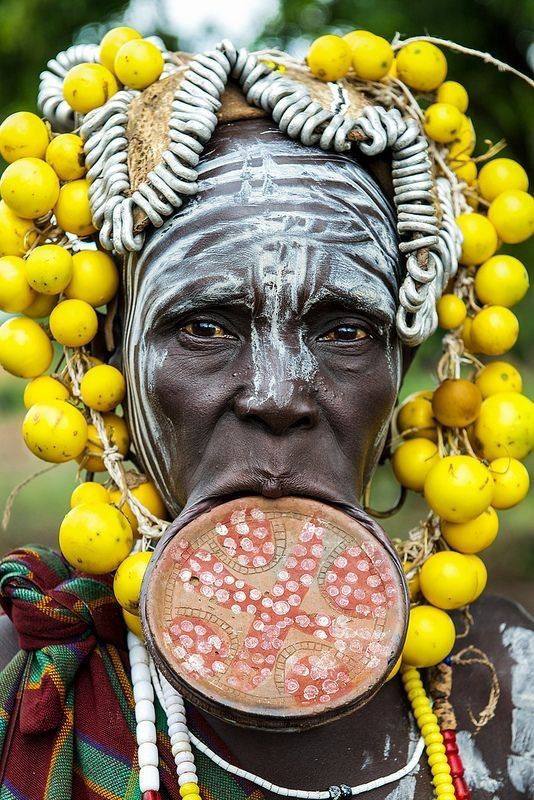
The Mursi are among the best-known communities of the Lower Omo Valley. Their distinctive cultural traditions, traditional body decorations and unique identity attract photographers and researchers from around the world.
Mursi communities live in areas around Mago National Park and the surrounding region.
Photography opportunities may include:
- Traditional body decorations.
- Cultural portraits.
- Traditional clothing and accessories.
- Village life and everyday activities.
- Surrounding landscapes and natural environments.
Photography should always be arranged respectfully. Visitors should ask permission before taking pictures and respect anyone who does not wish to be photographed.
3. Karo Community: Body Painting and Omo River Landscapes
The Karo community is particularly interesting for photographers because of its traditional body painting and location along the Omo River.
The Karo people are known for their artistic use of natural pigments and decorative patterns.
Their traditional body painting creates striking photographic opportunities, especially when combined with natural light.
Photography subjects include:
- Traditional body painting.
- Cultural portraits.
- Traditional clothing and accessories.
- Village architecture.
- Omo River landscapes.
- Everyday community activities.
Korcho is an interesting location for exploring Karo culture and photographing the surrounding river landscape.
4. Dassanech Community: Life Around the Omo River Delta
The Dassanech community lives in the southern part of the Omo Valley, close to the Omo River delta and Lake Turkana.
Their environment and lifestyle offer a different perspective on life in southern Ethiopia.
Photography opportunities include:
- Traditional village life.
- Cultural clothing and accessories.
- Fishing and activities around the river.
- Rural landscapes.
- Traditional houses.
- Everyday community activities.
Visiting Dassanech communities can add an interesting dimension to a longer Omo Valley photography expedition.
5. Dimeka and Key Afer: Colorful Traditional Markets
Local markets are among the most rewarding photography experiences in southern Ethiopia.
Markets bring together people from surrounding communities to buy and sell agricultural products, livestock, clothing, household goods and traditional crafts.
Dimeka and Key Afer are particularly interesting destinations for market photography.
Dimeka Market is known for its lively atmosphere and gatherings of people from the Hamar, Banna and neighboring communities.
Key Afer Market offers opportunities to observe interactions between different communities, including the Banna, Ari and Hamar.
For photographers, traditional markets provide opportunities to capture:
- Colorful traditional clothing.
- Daily trading activities.
- Portraits and human expressions.
- Agricultural products and handmade crafts.
- Community interactions.
- Everyday life in southern Ethiopia.
Market days should be confirmed before finalizing your itinerary.
6. Konso: Traditional Villages and Cultural Landscapes
Konso offers a different photography experience from the communities of the Lower Omo Valley.
The area is famous for its traditional stone-walled settlements, agricultural terraces and distinctive cultural landscapes.
Photography opportunities include:
- Traditional stone architecture.
- Terraced agricultural fields.
- Rural landscapes.
- Traditional wooden statues known as Waka.
- Traditional settlements.
- Everyday community life.
Konso is particularly interesting for photographers who enjoy cultural landscape and architectural photography.
7. Jinka: The Gateway to South Omo
Jinka is an important starting point for exploring different communities in the Omo Valley.
The town provides access to surrounding destinations, including Mago National Park and communities throughout the wider South Omo region.
Photography opportunities around Jinka include:
- Rural landscapes.
- Local markets.
- Traditional villages.
- Everyday activities.
- Scenic countryside.
Jinka is also a useful place to understand the cultural diversity of southern Ethiopia before continuing toward Turmi and other destinations.
Best Time to Visit the Omo Valley for Photography
The Omo Valley can be visited throughout much of the year, but weather conditions, road accessibility and local activities can influence the photography experience.
Generally, the drier periods are useful for planning a photography expedition.
December to February
These months are generally favorable for outdoor photography and road travel. Photographers can explore traditional villages, markets and landscapes.
March to May
The countryside may become greener, creating different opportunities for landscape photography. However, occasional rainfall can affect road conditions.
June to September
The rainy season can make some remote roads difficult to access. The changing landscape may still provide interesting photography opportunities.
October to November
These months can offer changing landscapes and opportunities for cultural photography, although weather and road conditions vary.
The best travel dates depend on your photography interests. If you want to visit traditional markets, we can organize your itinerary around local market days.
Cultural ceremonies follow local traditions and schedules, so they cannot be guaranteed for specific travel dates.
Photography Tips for the Omo Valley
A photography tour in southern Ethiopia requires preparation. The region has remote roads, hot weather, dusty conditions and limited facilities in some locations.
Here are some useful recommendations.
1. Bring a Versatile Camera
A DSLR or mirrorless camera is ideal for professional travel photography. Modern smartphones can also capture beautiful images.
2. Choose Suitable Lenses
Consider bringing:
- 24-70mm lens for general photography.
- 70-200mm lens for portraits and distant subjects.
- 16-35mm lens for landscapes and village scenes.
3. Carry Extra Batteries and Memory Cards
Remote locations may not have convenient charging facilities. Carry enough storage and spare batteries for long photography days.
4. Protect Your Camera Equipment
Dust can be a challenge, especially when traveling on rural roads. Bring a protective camera bag, covers and lens-cleaning equipment.
5. Photograph During Good Natural Light
Early morning and late afternoon often provide softer natural light for portraits and landscape photography.
6. Take Time to Understand Your Subjects
Do not rush to take photographs. Spend time learning about the people, their daily activities and their culture.
7. Ask Permission Before Taking Photographs
Always ask before photographing individuals. Respect their decisions and agree on any photography fees beforehand.
Responsible Cultural Photography in the Omo Valley
The Omo Valley is home to living communities with their own identities, traditions and daily responsibilities. Photography should always be approached with respect.
At Peak Ethiopia Tours & Car Rental, we encourage responsible photography throughout our cultural journeys.
We recommend the following principles:
- Always request permission before photographing individuals.
- Respect anyone who does not wish to be photographed.
- Agree on photography arrangements and payments beforehand.
- Avoid photographing private family activities without permission.
- Do not interrupt private ceremonies.
- Follow your local guide’s advice.
- Support local communities through appropriate purchases and local services.
A successful photography tour is not measured only by the number of photographs you take. It is also about the people you meet, the stories you learn and the respect you show.
Suggested 7-Day Omo Valley Photography Tour Itinerary
This suggested seven-day itinerary is designed for photographers who want to explore the main cultural destinations of southern Ethiopia without rushing.
The route can be customized according to your photography interests, available time and preferred travel pace.
Day 1: Addis Ababa to Arba Minch
Depart from Addis Ababa and travel south through the beautiful Ethiopian countryside.
Enjoy scenic stops along the Great Rift Valley and observe rural life along the way.
Depending on your arrival time, explore Arba Minch and its surroundings.
Photography highlights:
- Great Rift Valley landscapes.
- Rural villages and countryside.
- Scenic viewpoints.
- Local life along the road.
Overnight in Arba Minch.
Day 2: Arba Minch to Konso and Turmi
After breakfast, continue toward Konso, an area famous for traditional villages, stone architecture and agricultural terraces.
Explore the cultural landscape before continuing toward Turmi.
Photography highlights:
- Konso traditional villages.
- Stone-walled settlements.
- Agricultural terraces.
- Scenic countryside.
Overnight in Turmi.
Day 3: Turmi and Hamar Community
Spend the day exploring Hamar country.
With assistance from a local guide, visit a traditional Hamar community and learn about its cultural identity, clothing, hairstyles and everyday activities.
If the timing is suitable, visit a local market or attend a cultural gathering when invited.
Photography highlights:
- Traditional Hamar portraits.
- Hairstyles and decorative accessories.
- Village life.
- Traditional clothing and cultural expressions.
Overnight in Turmi.
Day 4: Karo Community and the Omo River
Travel toward the Omo River to explore the Karo community.
Visit the Korcho area when access and local arrangements permit.
Learn about traditional body painting and cultural expressions of the Karo people.
Photography highlights:
- Karo traditional body painting.
- Cultural portraits with permission.
- Omo River landscapes.
- Traditional settlements.
Return to Turmi for overnight accommodation.
Day 5: Dassanech Community and Southern Omo
Continue toward the southern part of the Omo Valley to explore the Dassanech community.
Depending on local conditions and access, learn about their traditional lifestyle and relationship with the surrounding river environment.
Photography highlights:
- Traditional community life.
- Cultural portraits and accessories.
- Rural settlements.
- River landscapes.
Overnight according to the final route arrangement.
Day 6: Turmi to Jinka and Mursi Community
Travel toward Jinka and explore the Mursi region when local conditions and access permit.
A visit to Mursi communities offers opportunities to understand their traditional culture and distinctive body decorations.
Photography highlights:
- Mursi cultural portraits.
- Traditional body decoration.
- Village life.
- Mago National Park surroundings.
Overnight in Jinka.
Day 7: Jinka to Addis Ababa
After breakfast, begin the return journey to Addis Ababa, with scenic stops along the way.
Alternatively, depending on your schedule and flight availability, we can arrange a domestic flight from Jinka to Addis Ababa.
Your Omo Valley photography expedition concludes with memorable experiences and photographs from southern Ethiopia.
Note: This is a suggested itinerary, not a guaranteed schedule of community visits. Routes, overnight stops and activities may change depending on road conditions, access, weather and local arrangements.
What Is Included in an Omo Valley Photography Tour?
Our private photography tours can be arranged according to your requirements.
Typical inclusions can include:
- Private 4WD Toyota Land Cruiser with an experienced driver.
- Fuel and transportation according to the agreed itinerary.
- English-speaking guide.
- Local community guides and interpreters where required.
- Accommodation during the tour.
- Meals according to the agreed package.
- Local community visit arrangements.
- Assistance with photography permissions.
- Market visits according to the local calendar.
- Airport pickup and drop-off when requested.
What Is Not Included?
Unless specifically agreed in your quotation, the following may be excluded:
- International and domestic flights.
- Personal travel insurance.
- Personal expenses.
- Tips and gratuities.
- Photography payments or community fees not included in the agreed package.
- Alcoholic beverages.
- Additional accommodation or activities outside the itinerary.
All inclusions, exclusions and additional charges will be clearly explained before booking.
Transportation and Accommodation
A comfortable and reliable vehicle is important for a successful photography expedition.
Peak Ethiopia Tours & Car Rental provides private 4WD transportation, including Toyota Land Cruiser vehicles, suitable for exploring remote destinations and rural roads.
Our transportation arrangements can include:
- Private 4WD vehicle.
- Experienced driver familiar with southern Ethiopia.
- Flexible photography stops.
- Space for camera equipment and luggage.
- Assistance with local transportation arrangements.
Accommodation is arranged according to your budget and preferences. Options vary between destinations, and facilities can be simpler in remote areas.
Who Is This Photography Tour Suitable For?
Our Omo Valley photography tour is suitable for different types of travelers.
Professional Photographers
Explore southern Ethiopia while working on travel, cultural and documentary photography projects.
Amateur Photographers
Improve your photography skills while discovering different communities and landscapes.
Travel Bloggers and Content Creators
Create original travel stories, cultural content and photography from southern Ethiopia.
Documentary Photographers and Filmmakers
Explore opportunities to document traditional lifestyles, community activities and cultural diversity with appropriate permissions.
Private Photography Groups
Travel with friends, photography clubs or small groups interested in cultural and documentary photography.
Customize Your Private Omo Valley Photography Tour
Every photographer has different interests. Some prefer traditional portraits, while others focus on landscapes, documentary photography, local markets or cultural traditions.
That is why Peak Ethiopia Tours offers customized private Omo Valley photography tours.
You can customize your trip according to:
- Your preferred travel dates.
- Number of photography days.
- Communities and destinations you want to explore.
- Photography interests and subjects.
- Accommodation preferences.
- Vehicle requirements.
- Private guide and interpreter arrangements.
- Domestic flights or overland transportation.
Whether you are planning a short photography trip or a longer documentary expedition, we can help organize transportation, accommodation and local arrangements.
Frequently Asked Questions About Omo Valley Photography Tours
1. How many days do I need for an Omo Valley photography tour?
We recommend approximately 7 to 10 days for a photography-focused journey. This allows more time to explore different communities, visit markets, photograph landscapes and experience local culture without rushing.
2. Can I take photographs of local communities?
Yes, photography is possible, but permission is essential. Some individuals and communities may request a photography payment. Your local guide can help explain the arrangements and obtain permission.
3. Which communities can I photograph in the Omo Valley?
Depending on your itinerary and local access, you may visit Hamar, Mursi, Karo, Dassanech, Banna and other communities in southern Ethiopia.
4. What is the best month for Omo Valley photography?
December to February is generally a good period for planning outdoor photography because road conditions are often more favorable. Other months can also offer interesting photography opportunities depending on weather conditions.
5. Can I photograph traditional ceremonies?
Yes, when a ceremony takes place and visitors are invited. However, ceremonies follow local traditions and family schedules. They cannot be guaranteed for specific travel dates.
6. Is a private photography tour better than a group tour?
A private tour offers more flexibility. You can spend additional time at interesting locations, adjust your schedule for natural lighting and focus on your preferred photography subjects.
7. What vehicle is recommended for the Omo Valley?
A private 4WD Toyota Land Cruiser is a good option for exploring remote areas and rural roads. It also provides flexibility for photography stops.
8. Can I start my Omo Valley photography tour from Addis Ababa?
Yes. We can organize a private overland tour from Addis Ababa or arrange a domestic flight to Jinka, depending on your itinerary and flight availability.
9. Do you organize photography tours for solo travelers?
Yes. We can arrange private photography tours for solo travelers, couples, families and small photography groups.
10. How much does an Omo Valley photography tour cost?
The price depends on the number of travelers, travel duration, vehicle, accommodation, guiding arrangements and activities. Contact Peak Ethiopia Tours & Car Rental for a customized quotation.
Book Your Omo Valley Photography Tour with Peak Ethiopia Tours
Are you planning a photography trip to Ethiopia?
Discover the remarkable cultural diversity of the Omo Valley with Peak Ethiopia Tours & Car Rental.
We organize private and customized photography tours for international travelers, professional photographers, documentary filmmakers and photography enthusiasts.
From traditional Hamar portraits and Mursi cultural experiences to Karo body painting, local markets and beautiful Omo River landscapes, we help you discover southern Ethiopia at your own pace.
Let us organize your next photography adventure in Ethiopia.
Contact Peak Ethiopia Tours & Car Rental
Business Name: Peak Ethiopia Tours & Car Rental
Location: Addis Ababa, Ethiopia
Website: https://peakethiopiatours.com/
WhatsApp: +251 925 963 217
WhatsApp: +251 941 585 806
Email: info@peakethiopiatours.com
Request your private Omo Valley photography tour quotation today!