How to Plan a Trip to Ethiopia: Complete Travel Guide and Itinerary Ideas
Planning a trip to Ethiopia is an exciting opportunity to discover ancient history, beautiful landscapes, diverse cultures, and unforgettable experiences. From the famous rock-hewn churches of Lalibela to the colorful landscapes of the Danakil Depression and the traditional communities of the Omo Valley, Ethiopia offers something special for every traveler.
Whether you are visiting Ethiopia for the first time, planning a cultural holiday, or looking for an adventure, choosing the right destinations and travel route will help you make the most of your journey.
In this guide, you will discover the best places to visit, suggested travel routes, transportation options, accommodation advice, and practical tips for planning your Ethiopia trip.
1. How Many Days Do You Need to Visit Ethiopia?
The number of days you need depends on your interests, travel budget, and the destinations you want to explore.
Here are some suggested travel durations:
- 5–7 days: Explore Addis Ababa, Lalibela, or one specific region.
- 8–10 days: Discover Northern Ethiopia or Southern Ethiopia.
- 12–14 days: Combine historical attractions, cultural experiences, and beautiful landscapes.
- 15–21 days: Explore several regions of Ethiopia at a comfortable pace.
If you have limited time, it is better to focus on one region rather than trying to visit the entire country.
2. Best Places to Visit in Ethiopia
Ethiopia has a wide variety of destinations, each offering different experiences.
Lalibela
Lalibela is one of Ethiopia’s most famous historical destinations. It is internationally known for its extraordinary rock-hewn churches, which were carved directly into solid rock.
Visitors can explore the historic churches, learn about Ethiopian Orthodox Christianity, and experience the town’s religious traditions.
Main attractions include:
- Bete Giyorgis.
- Bete Medhane Alem.
- Bete Maryam.
- Bete Amanuel.
- The historic church complex.
Lalibela is an excellent destination for travelers interested in history, architecture, religion, and culture.
Gondar
Gondar is known for its historical castles and royal heritage. It was once an important imperial capital of Ethiopia.
Popular attractions include:
- Fasil Ghebbi, the Royal Enclosure.
- Fasilides’ Bath.
- Debre Berhan Selassie Church.
- The historic city center.
Gondar is an important stop on a Northern Ethiopia historical journey.
Bahir Dar
Bahir Dar is a beautiful lakeside city located beside Lake Tana, Ethiopia’s largest lake.
Popular activities include:
- Boat trips on Lake Tana.
- Visiting historic island monasteries.
- Exploring the Blue Nile Falls.
- Enjoying the lakeside atmosphere.
Bahir Dar is a wonderful destination for travelers interested in nature, history, and relaxation.
Simien Mountains National Park
The Simien Mountains are famous for their dramatic mountain scenery, deep valleys, and unique wildlife.
Visitors can enjoy:
- Mountain trekking.
- Scenic viewpoints.
- Wildlife observation.
- Photography.
- Local cultural experiences.
The park is particularly attractive to nature lovers and adventure travelers.
Danakil Depression
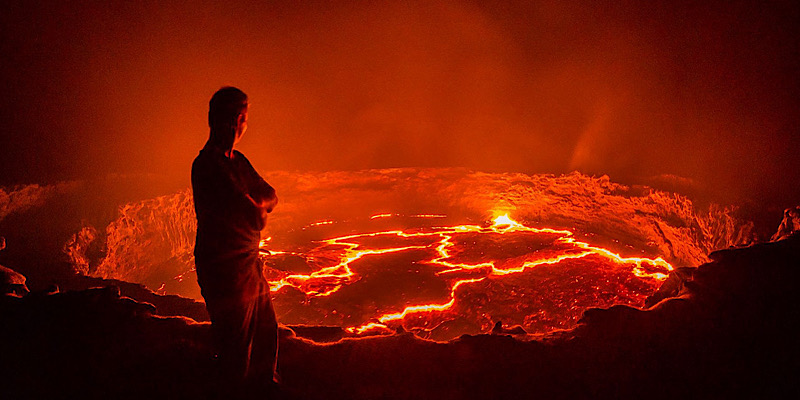
The Danakil Depression is one of Ethiopia’s most extraordinary natural destinations. It is known for its colorful geological formations, volcanic landscapes, salt flats, and extreme desert environment.
Highlights include:
- Dallol.
- Lake Asale.
- Erta Ale volcano.
- Traditional salt-mining areas.
- Afar cultural experiences.
Travel to the Danakil Depression requires proper planning, suitable vehicles, local support, and attention to current travel conditions.
Omo Valley
The Omo Valley is famous for its cultural diversity, traditional communities, local markets, and beautiful landscapes.
Visitors may explore destinations such as:
- Jinka.
- Turmi.
- Konso.
- Key Afer.
- Omorate.
The region offers opportunities to learn about local traditions and ways of life. Visitors should always respect local communities and ask permission before taking photographs.
Bale Mountains National Park
Bale Mountains National Park is an excellent destination for nature and wildlife enthusiasts.
The park offers:
- Beautiful mountain landscapes.
- High-altitude grasslands.
- Forests and scenic trails.
- Birdwatching opportunities.
- Opportunities to see Ethiopian wildlife.
It is a great destination for travelers who enjoy hiking, nature, and photography.
3. Suggested Ethiopia Travel Itineraries
Choosing the right route is one of the most important parts of planning your trip.
Here are four itinerary ideas to help you organize your journey.
7-Day Ethiopia Historical and Cultural Tour
Suggested route: Addis Ababa → Bahir Dar → Gondar → Lalibela → Addis Ababa
This itinerary is suitable for travelers who want to experience some of Ethiopia’s most important historical and cultural attractions in one week.
Day 1: Arrival in Addis Ababa
Arrive at Bole International Airport. Meet your driver and transfer to your hotel. Depending on your arrival time, you can enjoy a short introduction to the capital.
Day 2: Addis Ababa to Bahir Dar
Travel to Bahir Dar by domestic flight or road, depending on your schedule. Explore the lakeside city and enjoy the atmosphere around Lake Tana.
Day 3: Lake Tana and Blue Nile Falls
Take a boat trip to visit historic monasteries on Lake Tana. Later, visit the Blue Nile Falls, subject to seasonal conditions and accessibility.
Day 4: Bahir Dar to Gondar
Travel to Gondar and explore the historic Royal Enclosure and Fasilides’ Bath.
Day 5: Gondar to Lalibela
Travel to Lalibela by domestic flight or road, depending on available connections and your preferred arrangements.
Day 6: Explore Lalibela
Visit the famous rock-hewn churches with a local guide. Discover their history, architecture, and religious significance.
Day 7: Return to Addis Ababa
Travel back to Addis Ababa by domestic flight and connect with your international departure if your flight schedule allows.
10-Day Southern Ethiopia Cultural Tour
Suggested route: Addis Ababa → Arba Minch → Konso → Jinka → Turmi → Omorate → Addis Ababa
This itinerary is ideal for travelers interested in cultural experiences, traditional markets, and Southern Ethiopia’s landscapes.
Day 1: Arrival in Addis Ababa and hotel transfer.
Day 2: Drive to Arba Minch, enjoying the scenery along the way.
Day 3: Explore the Arba Minch area and enjoy a boat trip on Lake Chamo, subject to local arrangements.
Day 4: Travel to Konso and discover the area’s cultural heritage.
Day 5: Drive to Jinka and explore the local surroundings.
Day 6: Visit cultural communities in the Jinka area with local guidance.
Day 7: Travel to Turmi and experience the local environment and cultural traditions.
Day 8: Explore the Turmi area and visit a local market if one is operating that day.
Day 9: Continue exploring the region and travel toward your return route.
Day 10: Return to Addis Ababa according to your transport arrangements.
The exact communities and activities depend on local conditions, market schedules, permissions, and the interests of your group.
12-Day Ethiopia Historical and Nature Tour
Suggested route: Addis Ababa → Bahir Dar → Gondar → Simien Mountains → Lalibela → Addis Ababa
This itinerary combines historical attractions with beautiful mountain landscapes.
Day 1: Arrival in Addis Ababa.
Day 2: Fly to Bahir Dar and explore the city.
Day 3: Visit Lake Tana monasteries and the Blue Nile Falls.
Day 4: Travel to Gondar and explore its historic attractions.
Day 5: Visit the Royal Enclosure and other historical sites.
Day 6: Travel to Simien Mountains National Park.
Day 7: Explore the Simien Mountains and enjoy scenic viewpoints.
Day 8: Continue exploring the park and its surrounding landscapes.
Day 9: Travel to Lalibela.
Day 10: Visit Lalibela’s famous rock-hewn churches.
Day 11: Enjoy additional sightseeing and cultural experiences.
Day 12: Return to Addis Ababa.
14-Day Ethiopia Adventure and Cultural Tour
Suggested route: Addis Ababa → Danakil Depression → Lalibela → Gondar → Simien Mountains → Addis Ababa
This itinerary is suitable for travelers who want a combination of adventure, history, and nature.
Days 1–2: Arrive in Addis Ababa, explore the capital, and prepare for the journey.
Days 3–6: Travel to the Danakil Depression. Explore Dallol, Lake Asale, salt-mining areas, and Erta Ale, subject to access and current conditions.
Days 7–8: Travel to Lalibela and visit the famous rock-hewn churches.
Days 9–10: Continue to Gondar and explore its historic castles and churches.
Days 11–12: Visit Simien Mountains National Park and enjoy the mountain scenery.
Day 13: Return toward Addis Ababa.
Day 14: Departure from Ethiopia.
This route requires careful coordination of transportation, flights, local support, and travel conditions. The order may need to change depending on availability and access.
4. How to Get Around Ethiopia
Transportation is an important consideration when planning your Ethiopia trip.
Domestic Flights
Domestic flights are useful for covering long distances and saving travel time. They can be particularly helpful when visiting destinations such as Lalibela, Gondar, Bahir Dar, and other regional cities.
Always check flight schedules and connections before finalizing your itinerary.
Private Car Rental with Driver
Hiring a private car with a professional driver is a convenient option for exploring Ethiopia.
It gives you flexibility to stop for sightseeing, visit smaller towns, and travel according to your preferred schedule.
Available vehicle options may include:
- Toyota Land Cruiser for remote destinations and 4WD journeys.
- Toyota Noah or minivan for small groups.
- Minibus for medium-sized groups.
- Toyota Coaster bus for larger groups.
The right vehicle depends on your group size, luggage, route, and road conditions.
Public Transportation
Public transportation is available on many routes and can be a lower-cost option. However, it may require more time and flexibility, particularly when visiting remote destinations.
For travelers with limited time, private transportation can make itinerary planning easier.
5. Where to Stay in Ethiopia
Ethiopia offers different accommodation options to suit various travel budgets.
You can choose from:
- Budget guesthouses.
- Local hotels.
- Comfortable mid-range hotels.
- Luxury hotels and lodges.
- Campsites in selected adventure destinations.
When choosing accommodation, consider its location, facilities, meals, room availability, and distance from the attractions you plan to visit.
In remote destinations, accommodation options can be limited, so advance arrangements are recommended.
6. Best Time to Visit Ethiopia
The best time to visit Ethiopia depends on your chosen destinations and activities.
In many highland destinations, the dry season from October to May is generally suitable for sightseeing and outdoor activities.
The main rainy season in much of the Ethiopian highlands usually occurs from June to September.
Consider the following when planning:
- Historical sightseeing can be arranged throughout much of the year.
- Mountain trekking depends on seasonal weather and trail conditions.
- Danakil trips require careful planning because of extreme heat.
- Cultural festivals offer special experiences at particular times of the year.
If you are planning to attend Timkat or Meskel, arrange your accommodation and transportation in advance.
7. How Much Does an Ethiopia Trip Cost?
The total cost of an Ethiopia trip depends on the number of days, group size, accommodation, transportation, and destinations.
Your budget should include:
- International flights.
- Domestic flights.
- Accommodation.
- Private transportation and fuel.
- Tour guides.
- Entrance fees and permits.
- Meals and drinking water.
- Personal expenses.
Private tours may cost more than independent travel, but they can include transportation, guides, accommodation arrangements, and other services.
For an accurate price, request a quotation based on your travel dates and preferred itinerary.
8. Important Travel Tips for Visiting Ethiopia
Before traveling to Ethiopia, consider these practical tips:
Check visa requirements: Review the entry requirements for your nationality and travel dates.
Arrange travel insurance: Choose insurance that covers your planned activities and destinations.
Pack suitable clothing: Bring comfortable walking shoes, sun protection, and warmer clothing for high-altitude destinations.
Prepare for different climates: Ethiopia has significant differences in temperature and weather between regions.
Respect local traditions: Learn about local customs and dress appropriately when visiting religious sites.
Ask before taking photographs: Always respect people’s privacy and ask permission before photographing individuals or communities.
Check current travel advice: Verify local security conditions and accessibility before traveling, especially to remote regions.
Plan transportation in advance: Confirm domestic flights, private vehicles, and accommodation before starting your journey.
9. Why Book a Private Ethiopia Tour?
A private Ethiopia tour allows you to explore the country according to your interests, schedule, and preferred travel style.
It is a convenient choice for couples, families, photographers, and small groups.
With a customized tour, you can:
- Select the destinations you want to visit.
- Choose your travel dates.
- Arrange private transportation.
- Include professional guides.
- Select suitable accommodation.
- Adjust the itinerary to your available time.
- Arrange airport pickup and drop-off.
A well-organized itinerary helps you spend more time enjoying Ethiopia and less time worrying about travel arrangements.
10. Plan Your Ethiopia Tour with Peak Ethiopia Tours & Car Rental
At Peak Ethiopia Tours & Car Rental, we help international visitors discover Ethiopia through private tours, cultural experiences, historical journeys, and customized travel packages.
Based in Addis Ababa, we can arrange:
- Private Ethiopia tour packages.
- Addis Ababa city tours.
- Danakil Depression tours.
- Omo Valley cultural tours.
- Lalibela and Northern Ethiopia historical tours.
- Simien Mountains and Bale Mountains trips.
- Private car rental with driver.
- Airport transfers.
- Minivan, minibus, and Coaster bus rental.
Whether you are planning a 7-day, 10-day, 14-day, or 21-day journey, we can help you create an itinerary that matches your travel interests, available time, and budget.
Start Planning Your Ethiopia Adventure Today!
Contact Peak Ethiopia Tours & Car Rental for a customized itinerary and tour quotation.
Website: https://peakethiopiatours.com/
WhatsApp: +251 925 963 217 / +251 941 585 806
Email: info@peakethiopiatours.com
Share your travel dates, group size, and preferred destinations. We will help you plan your journey through Ethiopia.
Frequently Asked Questions About Ethiopia Itineraries
How many days should I spend in Ethiopia?
A 10–14-day trip is a good starting point for exploring one or more regions. If you want to visit Northern Ethiopia, the Omo Valley, and the Danakil Depression, consider a longer trip.
What is the best Ethiopia itinerary for first-time visitors?
The Northern Historical Route is a popular choice for first-time visitors interested in history and culture. It can include Addis Ababa, Bahir Dar, Gondar, Simien Mountains, and Lalibela.
Can I visit the Danakil Depression and Lalibela on the same trip?
Yes. You can combine these destinations in a longer itinerary. The route requires careful transportation planning and confirmation of current access conditions.
Is Ethiopia suitable for family travel?
Yes. Many destinations can be enjoyed by families. The itinerary should be planned according to children’s ages, travel time, accommodation needs, and road conditions.
Can I book a private driver in Ethiopia?
Yes. Private chauffeur-driven vehicles can be arranged for city tours, airport transfers, day trips, and multi-day journeys.
Can I customize my Ethiopia tour itinerary?
Yes. Your itinerary can be adjusted according to your interests, travel dates, group size, destinations, and budget.
Do I need a guide when visiting Ethiopia?
A guide can help you understand the country’s history, culture, and attractions. Some destinations also require local guides or other support arrangements.