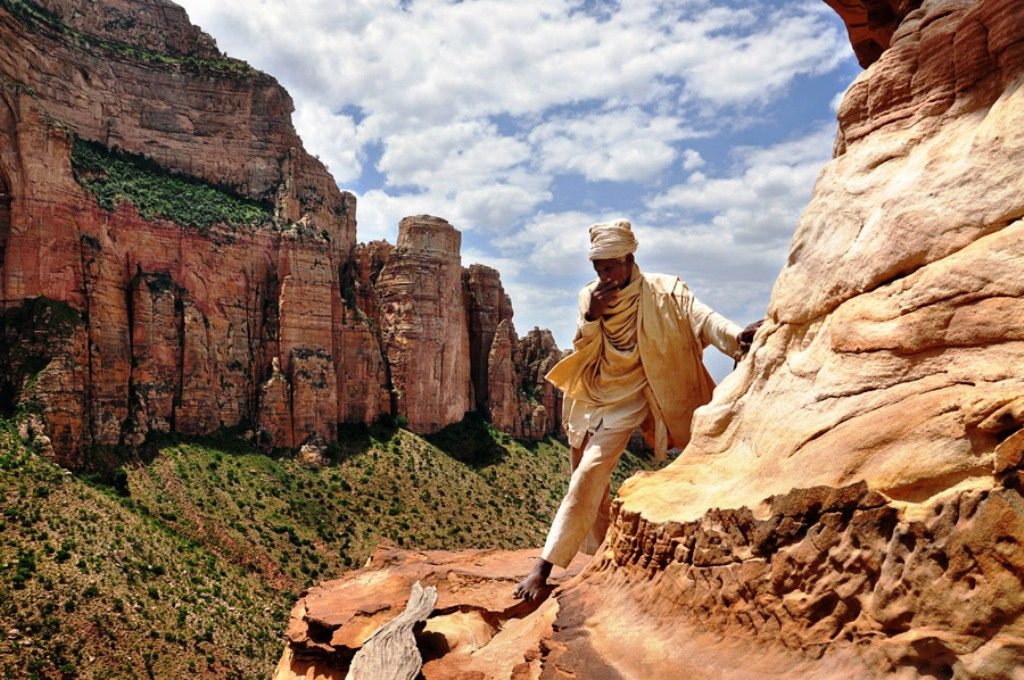

Omo Valley Travel Guide: Cultural Villages, Communities & Local Life
The Omo Valley is one of Ethiopia’s most fascinating destinations for travelers interested in culture, traditional communities, local markets, photography, and unique landscapes. Located in southwestern Ethiopia, the region is known for its diverse communities and distinctive cultural traditions.
A journey through the Omo Valley offers travelers the opportunity to visit rural villages, meet local communities, explore traditional markets, and experience landscapes that are very different from those around Addis Ababa and northern Ethiopia.
For visitors interested in cultural travel and photography, the Omo Valley can be one of the most memorable parts of an Ethiopia itinerary.
Why Visit the Omo Valley?
The Omo Valley is a destination for travelers who want to experience a different side of Ethiopia.
Some of the highlights include:
- Visiting cultural villages
- Meeting traditional communities
- Exploring local markets
- Discovering unique landscapes
- Learning about local traditions
- Experiencing rural life
- Cultural and landscape photography
- Traveling through remote areas of southwestern Ethiopia
The region is particularly rewarding for travelers who take time to learn about local communities rather than simply passing through.
Cultural Villages in the Omo Valley
One of the main reasons travelers visit the Omo Valley is to experience traditional village life.
Different communities across the region have their own traditions, clothing, architecture, ceremonies, farming practices, and ways of life. Visiting villages with a knowledgeable local guide can help travelers understand these differences in a respectful way.
A village visit may provide opportunities to learn about daily activities, traditional homes, local crafts, and community life.
Because these are people’s homes and communities, visitors should approach cultural visits respectfully and follow local guidance.
Traditional Communities
The Omo Valley is home to a number of culturally distinct communities.
Among the communities travelers may encounter are the Hamar, Mursi, Karo, Dassanech, and Konso, depending on the route and itinerary.
Each community has its own cultural identity and traditions. A well-planned journey allows travelers to spend meaningful time learning about local life rather than treating communities simply as tourist attractions.
A local guide can provide valuable context about traditions, history, and appropriate visitor behavior.
Local Markets
Local markets are an important part of everyday life in the Omo Valley.
Markets bring together people from surrounding villages to buy and sell food, livestock, clothing, household products, crafts, and other goods.
Visiting a market provides an opportunity to see everyday interactions and experience a lively part of local culture.
Markets also offer excellent opportunities for photography, but travelers should always be respectful and ask permission before photographing people.
Unique Landscapes of the Omo Valley
The Omo Valley is not only about culture. The region also offers diverse and beautiful landscapes.
Depending on the route, travelers may see:
- Open grasslands
- Dry savannah
- Rivers and river valleys
- Hills and rocky landscapes
- Rural farmland
- Forested areas
- Dramatic sunsets
The changing landscape makes the journey itself an important part of an Omo Valley adventure.
Cultural Photography in the Omo Valley
The Omo Valley is well known among photographers because of its distinctive communities, traditional clothing, markets, villages, and landscapes.
However, responsible photography is extremely important.
When photographing people:
- Ask for permission.
- Respect requests not to be photographed.
- Avoid treating people as photographic objects.
- Follow local customs.
- Respect private ceremonies and homes.
- Listen to your local guide.
- Be sensitive when photographing children.
Taking time to communicate respectfully can make cultural photography a more meaningful experience.
Things to Do in the Omo Valley
1. Visit Cultural Villages
Explore traditional villages with a local guide and learn about daily life and local traditions.
2. Meet Local Communities
Spend time learning about the cultural diversity of southwestern Ethiopia.
3. Explore Local Markets
Visit regional markets to see local products, crafts, food, and everyday community life.
4. Photograph the Landscapes
Capture the changing scenery, rural villages, rivers, hills, and sunsets.
5. Learn About Traditional Life
Use your journey to understand local architecture, clothing, farming, crafts, and cultural traditions.
Suggested Omo Valley Itinerary
The Omo Valley is a large region, so a meaningful trip generally requires several days.
A possible itinerary could include:
Day 1: Travel toward the Omo Valley and explore the surrounding area.
Day 2: Visit a local community and cultural village.
Day 3: Explore another community and experience local landscapes.
Day 4: Visit a traditional market and continue exploring the region.
Day 5: Continue your journey or return toward the next destination.
The exact itinerary depends on the communities you want to visit, road conditions, market days, and the amount of time available.
How to Get to the Omo Valley
Many travelers begin their journey from Addis Ababa and travel south toward the Omo Valley.
Arba Minch is often used as an important starting point for journeys into southern Ethiopia. From there, travelers can continue by road toward different areas of the Omo Valley.
Because some areas are remote and roads can be challenging, private transportation with an experienced driver and local guide can make the journey more comfortable and practical.
Best Time to Visit the Omo Valley
The best time to visit depends on the specific area and activities included in your itinerary.
Weather conditions can affect road travel, village visits, and outdoor activities. It is therefore useful to plan your trip around the route and local conditions rather than relying on a single travel season for the entire region.
If your itinerary includes local markets, check market days in advance because markets are often held on specific days of the week.
Travel Tips for the Omo Valley
Before traveling to the region, keep these practical tips in mind:
- Plan transportation in advance.
- Travel with an experienced local guide.
- Bring comfortable clothing suitable for warm conditions.
- Carry drinking water.
- Bring sun protection.
- Keep camera equipment protected from dust.
- Ask permission before photographing people.
- Respect local customs and traditions.
- Be flexible because road and local conditions can affect schedules.
- Avoid rushing cultural visits.
Omo Valley With Peak Ethiopia Tours & Car Rental
Peak Ethiopia Tours & Car Rental can help travelers organize customized Ethiopia journeys that include the Omo Valley and other destinations in southern Ethiopia.
Our services include private transportation with professional drivers, airport transfers, sightseeing trips, and customized multi-day itineraries.
For travelers interested in cultural tourism, we can help plan a route around your interests, available time, and preferred destinations.
An Omo Valley journey can also be combined with destinations such as Arba Minch, Konso, Lake Chamo, and other southern Ethiopia attractions.
Peak Ethiopia Tours & Car Rental
Addis Ababa, Ethiopia
Email: info@peakethiopiatours.com
Phone: +251 941 585 806 / +251 925 963 217
Frequently Asked Questions
What is the Omo Valley famous for?
The Omo Valley is known for its diverse traditional communities, cultural villages, local markets, distinctive traditions, and unique landscapes.
Which communities can I visit in the Omo Valley?
Depending on the route, travelers may have opportunities to visit communities including the Hamar, Mursi, Karo, Dassanech, and Konso.
Is the Omo Valley good for photography?
Yes. The region offers opportunities for cultural and landscape photography. However, visitors should always ask permission before photographing people and respect local customs.
How many days do I need for an Omo Valley trip?
A multi-day trip is recommended because the region is large and many communities and attractions are separated by significant distances.
Can I combine the Omo Valley with Arba Minch?
Yes. Arba Minch can be included as part of a southern Ethiopia itinerary and can provide a convenient base or stop before continuing toward other destinations.
Final Thoughts
The Omo Valley offers a remarkable combination of cultural diversity, traditional communities, local markets, and dramatic landscapes. For travelers who want to experience rural Ethiopia and learn about different ways of life, the region provides an unforgettable journey.
The most rewarding Omo Valley trips are those that prioritize respectful cultural interaction, responsible photography, local guides, and meaningful time with communities.
If you are planning a southern Ethiopia adventure, the Omo Valley is a destination worth considering for a deeper cultural and travel experience.