15 Best Things to Do in Lalibela, Ethiopia: A Complete Travel Guide
Lalibela is one of Ethiopia’s most extraordinary cultural destinations, offering ancient rock-hewn churches, fascinating religious traditions, beautiful highland scenery, and unforgettable local experiences. Whether you are visiting Ethiopia for the first time or returning to explore its rich history, discovering the best things to do in Lalibela will make your journey truly memorable.
Located in the northern Ethiopian highlands, Lalibela is famous for its remarkable medieval churches carved directly into solid rock. These historic monuments reflect centuries of Ethiopian Christian heritage and continue to serve as important places of worship and pilgrimage.
With Peak Ethiopia Tours & Car Rental, you can organize a private Lalibela tour, arrange local transportation, explore historic attractions with a guide, and customize your Ethiopia travel itinerary.
1. Explore the Rock-Hewn Churches of Lalibela
The rock-hewn churches are the main attraction in Lalibela and a highlight of any Ethiopia cultural tour.
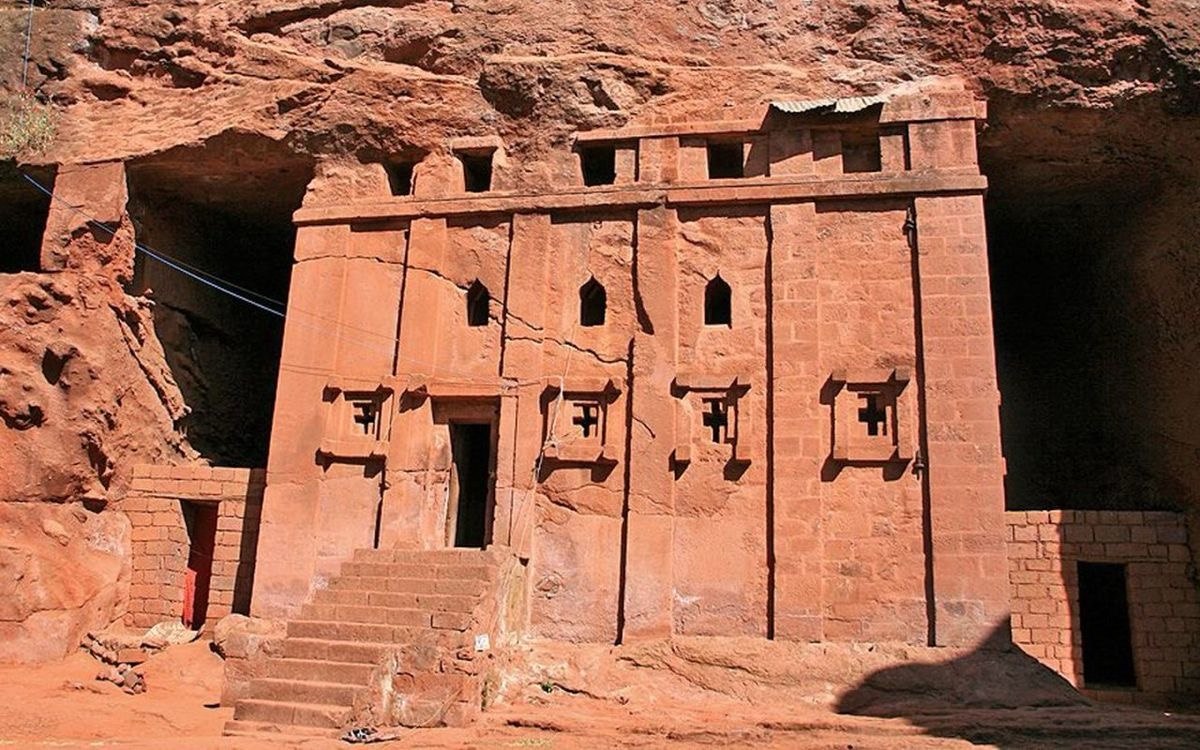
Eleven medieval monolithic churches were carved from the natural rock, creating remarkable buildings, courtyards, trenches, tunnels, and passageways. The churches are recognized by UNESCO for their outstanding historical, architectural, and cultural significance.
Exploring these sacred sites gives visitors a deeper understanding of Ethiopia’s religious traditions and medieval history.
During your visit, you can admire the extraordinary stonework, discover historic religious spaces, and learn how these remarkable monuments continue to shape local life.
Allow enough time to explore the church complexes without rushing.
2. Visit Biete Giyorgis, the Church of Saint George
Biete Giyorgis, or the Church of Saint George, is one of Lalibela’s most recognizable landmarks.
<AsyncImage query=”Biete Giyorgis Church of Saint George Lalibela Ethiopia aerial cross shaped rock hewn church” aspectRatio=”16:9″ width=”100%”/>
The church is famous for its distinctive cross-shaped design, carved downward into a block of rock. Its remarkable architecture makes it one of the most photographed historical attractions in Ethiopia.
Visitors can appreciate the craftsmanship, learn about the church’s religious significance, and observe how its design differs from the other churches in Lalibela.
Travel tip: Bring a camera, follow photography rules, and allow time to appreciate the site rather than visiting only for a quick photograph.
3. Discover Biete Medhane Alem
Biete Medhane Alem, meaning the House of the Saviour of the World, is another major highlight of Lalibela.
<AsyncImage query=”Biete Medhane Alem Lalibela Ethiopia massive rock hewn church exterior pillars” aspectRatio=”16:9″ width=”100%”/>
This impressive church is widely recognized for its monumental scale and architectural design. It is considered the largest monolithic church in the world.
Exploring Biete Medhane Alem helps visitors appreciate the extraordinary engineering and labor involved in creating Lalibela’s rock-hewn monuments.
Include this church in your sightseeing itinerary alongside Biete Mariam and the other churches in the northern group.
4. Visit Biete Mariam, the Church of Saint Mary
Biete Mariam is an important religious site known for its distinctive architectural features and spiritual significance.
A guided visit offers an opportunity to learn about Ethiopian Orthodox Christian traditions and the artistic details associated with Lalibela’s historic churches.
Take time to observe the architecture and listen to your guide’s explanations. As this is an active religious site, visitors should dress respectfully and follow local instructions.
5. Walk Through Lalibela’s Historic Church Groups
One of the most rewarding things to do in Lalibela is to explore its interconnected church complexes on foot.
The churches are arranged in different groups, with passages, courtyards, trenches, and tunnels linking parts of the site.
Walking through these areas provides a better understanding of how the churches were designed and how they function as a connected religious landscape.
A knowledgeable local guide can explain the historical background and religious importance of the different structures.
Wear comfortable shoes because some surfaces are uneven, and be prepared to remove your shoes when required.
6. Experience Ethiopian Orthodox Christian Traditions
Lalibela is not simply an archaeological destination. It remains a living center of Ethiopian Orthodox Christianity.
Depending on the time of your visit, you may observe religious processions, priests in traditional ceremonial clothing, pilgrims, and daily worship.
These experiences offer insight into the relationship between faith, history, and everyday life in Ethiopia.
Visitors should observe quietly, respect religious practices, and ask permission before photographing people or ceremonies.
7. Attend an Early Morning Religious Service
If your schedule permits, consider arranging an early morning visit to experience the spiritual atmosphere around Lalibela’s churches.
The quiet surroundings, traditional prayers, and presence of worshippers can make the experience particularly meaningful.
Service times and access arrangements vary, so coordinate with your local guide and respect the needs of the worshipping community.
This activity is especially suitable for cultural travelers and photographers interested in understanding Lalibela beyond its architecture.
8. Learn About Lalibela’s History and the Zagwe Dynasty
Lalibela’s history is closely associated with King Lalibela of the Zagwe Dynasty, who is traditionally credited with the creation of the famous rock-hewn churches.
The town developed as a major religious center and became associated with the idea of a symbolic New Jerusalem.
Learning about this history helps visitors understand why Lalibela became such an important destination for Ethiopian Christians.
During a guided tour, ask about the churches’ construction, their religious symbolism, and the traditions that have been preserved through generations.
9. Explore Lalibela’s Traditional Markets
Visiting a local market is a wonderful way to experience everyday life in Lalibela.
Markets provide opportunities to see local products, traditional clothing, household goods, and handmade crafts.
Depending on the day and season, you may encounter different market activities and locally produced items.
You can also purchase souvenirs and support local artisans. Always ask before photographing vendors or their products, and agree on prices before purchasing goods when necessary.
10. Taste Traditional Ethiopian Food
Sampling traditional Ethiopian food is another essential experience during your Lalibela visit.
<AsyncImage query=”traditional Ethiopian food injera colorful wot stews served on large platter” aspectRatio=”16:9″ width=”100%”/>
Popular dishes include injera, a fermented flatbread traditionally served with a variety of stews and vegetables.
You may also try:
- Doro wat, a traditional spicy chicken stew.
- Shiro, a dish prepared from ground legumes.
- Misir wat, a lentil stew.
- Vegetarian combination platters featuring different vegetable and legume dishes.
- Traditional Ethiopian coffee.
Food availability varies by restaurant and season. Let your host or guide know about any dietary requirements before ordering.
11. Experience a Traditional Ethiopian Coffee Ceremony
Ethiopian coffee culture is an important part of hospitality and social life.
A traditional coffee ceremony may involve roasting green coffee beans, grinding them, brewing the coffee, and serving it in small cups.
If an opportunity arises during your stay, enjoy the ceremony and learn about its cultural significance.
This experience is particularly appealing to travelers interested in local traditions and everyday Ethiopian life.
12. Visit Yemrehanna Kristos Church
If you have additional time, consider a day trip to Yemrehanna Kristos Church, an important historical church located outside Lalibela.
<AsyncImage query=”Yemrehanna Kristos Church Ethiopia historic church inside natural cave stone wood architecture” aspectRatio=”16:9″ width=”100%”/>
Unlike Lalibela’s monolithic churches, Yemrehanna Kristos is built within a natural cave setting and features distinctive architectural elements.
The excursion offers a different perspective on Ethiopia’s religious architecture and heritage.
The visit requires additional transportation and travel time, so plan it as a separate excursion rather than trying to fit it into an already busy church tour.
Confirm road conditions, access arrangements, and current local guidance before departure.
13. Enjoy the Highland Scenery Around Lalibela
Lalibela’s surrounding highlands offer beautiful views of mountains, valleys, rural settlements, and agricultural landscapes.
Depending on your interests and available time, you can arrange a short countryside excursion or a longer guided walk.
These experiences provide a contrast to the historic church complexes and allow you to appreciate the natural environment of northern Ethiopia.
Bring comfortable walking shoes, water, sun protection, and a light jacket when needed.
14. Discover Local Handicrafts and Souvenirs
Lalibela is a good place to look for locally made crafts and souvenirs.
Depending on availability, you may find woven items, handmade accessories, religious keepsakes, and other traditional products.
Purchasing directly from local artisans can help support the community.
If you wish to buy religious objects or antiques, ask about their origin and applicable regulations. Do not purchase cultural property when ownership or permission to sell is unclear.
15. Celebrate Ethiopian Christmas or Timkat in Lalibela
For travelers interested in religious and cultural festivals, visiting Lalibela during a major Ethiopian Orthodox celebration can provide a particularly memorable experience.
Two important occasions are:
Ethiopian Christmas, known as Genna: Celebrated on January 7 in the Gregorian calendar, except that the date can shift by a day in certain calendar years. Lalibela attracts pilgrims and visitors for religious celebrations.
Timkat, the Ethiopian Epiphany: Celebrated in January, Timkat commemorates the baptism of Jesus Christ and includes important religious traditions and ceremonies.
Festival dates, access arrangements, and crowds can affect your travel plans. Book flights and accommodation well in advance, and confirm the specific program for your travel year.
Suggested 3-Day Lalibela Travel Itinerary
This itinerary combines the main historic attractions with cultural experiences.
Day 1: Arrival and Introduction to Lalibela
- Arrive in Lalibela and transfer to your hotel.
- Meet your local guide and review the sightseeing plan.
- Depending on arrival time, explore the town or enjoy the surrounding scenery.
- Have dinner and prepare for the following day’s church visits.
Overnight: Lalibela.
Day 2: Rock-Hewn Churches and Religious Heritage
- Visit Biete Medhane Alem.
- Explore Biete Mariam and other churches in the northern group.
- Discover the connected passages, courtyards, and historic structures.
- Visit Biete Giyorgis, the Church of Saint George.
- Learn about Lalibela’s history and Ethiopian Orthodox traditions.
Overnight: Lalibela.
Day 3: Local Culture and Departure
- Enjoy breakfast at your hotel.
- Depending on your departure time, visit a local market or arrange a cultural experience.
- Alternatively, extend your trip for a visit to Yemrehanna Kristos if transportation and timing allow.
- Transfer to the airport or continue to your next destination.
This itinerary can be adjusted according to flight schedules, church access, your interests, and the pace you prefer.
Best Time to Visit Lalibela
Lalibela can be visited throughout the year, but the weather and local events influence the experience.
The drier months generally offer favorable conditions for walking around the church complexes and exploring the surrounding countryside.
The rainy season can bring greener landscapes, although wet conditions may affect walking routes and road travel.
If you want to experience a major religious festival, plan around Ethiopian Christmas or Timkat and confirm the dates for your intended travel year.
How Many Days Do You Need in Lalibela?
For most travelers, two or three days provide a good introduction to Lalibela.
- One day: Suitable for a short visit if flights and sightseeing time align.
- Two days: Allows more time to explore the principal churches.
- Three days: Offers a more relaxed experience with opportunities for local culture or an additional excursion.
- Four days or longer: Suitable for travelers who want more countryside activities and nearby historical sites.
Your ideal itinerary depends on your interests, available flights, budget, and onward travel arrangements.
How to Get to Lalibela
By Air
Flying from Addis Ababa is generally the most convenient option for travelers with limited time.
Confirm flight schedules and availability before booking accommodation and local activities. Peak Ethiopia Tours & Car Rental can help coordinate your itinerary, airport transfers, and local transportation arrangements.
By Road
Traveling by road offers an opportunity to see more of Ethiopia’s countryside, but the journey is long and requires careful planning.
Travel time depends on the selected route, road conditions, and stops. Check current travel advice and local conditions before committing to an overland itinerary.
What Does a Lalibela Tour Cost?
The price of a Lalibela tour depends on:
- Number of travelers.
- Travel dates and flight availability.
- Number of days.
- Hotel category.
- Private transportation requirements.
- Guide services and entrance fees.
- Additional excursions and meals.
Peak Ethiopia Tours & Car Rental can help prepare a customized quotation based on your travel plans.
Before booking, confirm which services are included, especially domestic flights, accommodation, transportation, guide fees, meals, and church entrance fees.
Practical Tips for Visiting Lalibela
- Wear comfortable shoes suitable for uneven stone surfaces.
- Dress respectfully when visiting religious sites.
- Bring a light jacket for cooler highland mornings and evenings.
- Ask permission before photographing people or religious ceremonies.
- Follow instructions about footwear and access inside churches.
- Carry Ethiopian birr for personal expenses and small purchases.
- Allow sufficient time for walking between attractions.
- Confirm current access arrangements and local travel conditions.
- Book early if traveling during major religious festivals.
Plan Your Lalibela Tour with Peak Ethiopia Tours & Car Rental
Lalibela offers a unique combination of ancient architecture, religious heritage, local culture, and beautiful highland landscapes.
Whether you want to explore the famous rock-hewn churches, experience Ethiopian traditions, visit nearby historical attractions, or combine Lalibela with a longer Ethiopia holiday, Peak Ethiopia Tours & Car Rental can help you plan your journey.
We can assist with private itineraries, transportation arrangements, airport transfers, local guiding, and hotel booking assistance.
Contact us to customize your Lalibela tour.
Website: https://peakethiopiatours.com/
Email: info@peakethiopiatours.com
WhatsApp: +251 925 963 217 / +251 941 585 806
Please share your travel dates, number of travelers, and preferred trip length to request a personalized quotation.
Discover the best things to do in Lalibela and experience the remarkable cultural heritage of Ethiopia with Peak Ethiopia Tours & Car Rental.